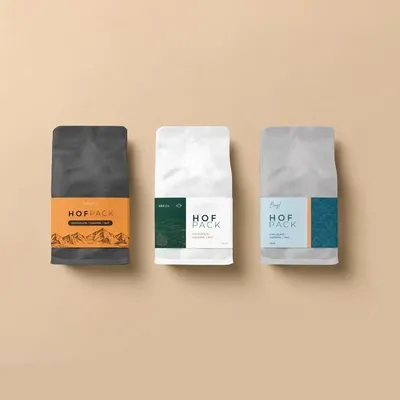
Custom Coffee Bag Sleeves: A Guide to Branding Small Coffee Businesses
Oct 28 – Nov 30, 2034, 5:49 a.m. – 5:48 a.m.
About this event
Discover custom coffee bag sleeves for outdoor brands, with practical material, branding, freshness, and sustainable packaging ideas.
Outdoor coffee brands need packaging that combines convenience, durability, product protection, and visual appeal. Whether a business sells specialty coffee to hikers, campers, travelers, cyclists, or customers at outdoor markets, packaging plays an important role in how its products are presented and transported. Custom coffee bag sleeves offer an opportunity to improve product presentation, communicate brand identity, and provide useful information without completely redesigning the primary coffee package.
For emerging coffee roasters and established outdoor businesses, packaging should reflect the brand's purpose. A company targeting campers might prefer earthy colors and practical designs, while a premium specialty coffee brand may choose minimalist graphics and detailed tasting notes. Custom coffee packaging can support both approaches by combining functional packaging components with distinctive visual elements. Understanding sleeve materials, sizing, printing options, and the role of inner packaging helps businesses make informed decisions when developing packaging for outdoor customers.
Why Packaging Matters for Outdoor Coffee Brands
Outdoor consumers often prioritize portability, convenience, and reliability. Coffee products may be packed into backpacks, camping kits, travel bags, or vehicle storage compartments, so their packaging should suit these conditions. A well-designed package can make products easier to identify, organize, carry, and store.
Custom coffee bag sleeves help brands differentiate their products on retail shelves, at outdoor events, and in online product listings. A sleeve can display a company logo, coffee origin, roast level, tasting notes, preparation instructions, and other relevant product details. These elements help customers understand what makes a particular coffee different.
Outdoor brands can also use packaging to communicate their identity. For example, a camping-focused coffee company might use mountain illustrations, trail-inspired typography, and earthy colors. A brand serving cyclists could use bold graphics and compact product information suited to a performance-oriented audience. Packaging should remain readable and functional, however, rather than sacrificing usability for decorative effects.
A consistent visual identity across coffee bags, sleeves, shipping boxes, and promotional materials helps create a recognizable brand experience. This can be especially valuable for smaller roasters competing with established coffee companies.
What Are Custom Coffee Bag Sleeves?
Custom coffee bag sleeves are printed outer components designed to fit around compatible coffee bags or packaging containers. Depending on the design, a sleeve may cover part of the primary package, provide additional branding space, or help distinguish different coffee varieties within a product range.
Unlike a complete coffee bag redesign, a sleeve can sometimes offer a simpler way to update packaging graphics or introduce limited-edition designs. Businesses should evaluate whether a sleeve fits their existing packaging dimensions and whether it provides enough space for essential product information.
Coffee bag sleeves may be useful for:
Specialty coffee roasters introducing new blends.
Outdoor retailers offering branded coffee products.
Camping and travel businesses selling portable coffee kits.
Coffee subscription services featuring rotating selections.
Seasonal coffee releases and gift collections.
Promotional products for outdoor events and festivals.
Sleeves are not a replacement for every type of coffee packaging. They are generally an external branding component, while the primary bag or container performs the main product-containment and freshness-protection functions.
Choosing Materials for Coffee Bag Sleeves
Material selection affects the sleeve's appearance, durability, print quality, and suitability for different retail environments. Outdoor coffee brands should choose materials that complement the primary coffee bag and remain practical during transportation, handling, and storage.
Paperboard is a popular option for printed sleeves because it provides a relatively firm surface for graphics and product information. It can support detailed printing, brand colors, and different finishes, making it suitable for specialty coffee and premium product ranges.
Kraft paper offers a natural appearance that works well for brands associated with camping, hiking, outdoor exploration, and sustainability. Its earthy texture can reinforce a rustic brand identity, although the final appearance depends on the paper grade and printing method.
Coated paperboard may be suitable when a smoother surface and more vibrant graphics are important. However, brands should evaluate coatings and finishing treatments carefully, particularly when recyclability is a priority.
When comparing materials, consider the following factors:
Durability: The sleeve should resist ordinary handling without tearing or losing its shape.
Print quality: The surface should support readable text, clear logos, and consistent colors.
Fit: The material should work with the dimensions and shape of the primary coffee package.
Storage: Sleeves should be easy to store and assemble without unnecessary handling.
Environmental considerations: Check material composition, certifications, coatings, and local recycling requirements.
The best material is the one that meets the brand's functional and visual requirements without adding unnecessary cost or complexity.
Branding Ideas for Portable Coffee Products
Strong branding helps outdoor coffee products stand out in a competitive market. Custom coffee bag sleeves provide a dedicated area for communicating brand identity while keeping the primary coffee bag design relatively simple.
For outdoor-oriented products, nature-inspired graphics can be an effective starting point. Mountain ranges, forest illustrations, trail maps, sunrise imagery, and campsite motifs can connect the packaging with the intended customer experience. These visuals should remain consistent with the actual brand identity rather than relying on generic outdoor imagery.
Color selection also matters. Earthy greens, brown tones, charcoal, and muted blues may suit camping and hiking brands, while bright colors can help products stand out at outdoor events or retail displays.
Businesses can organize sleeve designs around different product categories. For example, a coffee roaster might use one color for light roasts, another for medium roasts, and a third for dark roasts. Consistent layouts make product identification easier while allowing individual varieties to maintain their own character.
Useful sleeve content may include:
Brand name and logo.
Coffee origin and roast level.
Tasting notes and flavor profile.
Brewing recommendations.
Net weight and product details.
A QR code linking to brewing guides or the brand website.
Keep the design organized and readable. Essential product information should not become difficult to find because of excessive graphics or decorative elements.
Protecting Coffee Freshness: Sleeves vs. Inner Packaging
One of the most important considerations in coffee packaging is understanding the difference between exterior presentation and freshness protection.
A sleeve primarily supports branding and product identification. It generally does not provide the airtight barrier required to protect roasted coffee from oxygen, moisture, and other environmental factors. Those functions depend on the primary packaging and its construction.
Coffee bags may use multilayer barrier materials, resealable closures, and one-way degassing valves, depending on the product and storage requirements. These features can help maintain coffee quality when appropriately designed and used.
For outdoor coffee brands, the primary package should be selected according to the product format, expected storage conditions, and distribution process. Whole-bean coffee, ground coffee, and instant coffee products may have different packaging requirements.
Businesses should evaluate the following elements:
Barrier performance: The primary bag should provide appropriate protection against oxygen and moisture.
Closure system: Resealable features may help customers store coffee after opening.
Degassing valve: Certain roasted coffee products benefit from a suitable one-way valve.
Package strength: The bag should withstand normal handling and transportation.
Labeling: Product details should remain clear and accurate.
Custom coffee bag sleeves can then be added as an exterior branding layer without compromising the main packaging system. Brands should test the complete package to ensure the sleeve fits securely and does not interfere with closures, valves, or required labeling.
Sustainable Packaging Choices for Outdoor Businesses
Sustainability can be an important part of an outdoor coffee brand's identity. Customers who enjoy nature and outdoor activities may pay attention to packaging waste, material sourcing, and disposal options. Businesses should therefore evaluate environmental considerations alongside cost, product protection, and visual appeal.
Paper-based sleeves may use less material than a fully redesigned outer package, depending on the existing packaging system. However, the actual environmental impact depends on material sourcing, manufacturing, transportation, and end-of-life processing.
Brands can explore responsibly sourced paperboard, efficient sleeve dimensions, and designs that minimize unnecessary material. They can also investigate whether their chosen materials are accepted by recycling facilities in the markets they serve.
Several considerations are important:
Select appropriately sized sleeves to reduce excess material.
Ask suppliers about recycled content and recognized certifications.
Evaluate coatings, adhesives, and finishes that may affect recycling.
Avoid unsupported claims such as “100% sustainable” or “fully recyclable.”
Provide disposal guidance only when it accurately reflects local requirements.
For coffee bags, the sustainability question extends beyond the sleeve. Multilayer barrier packaging may be difficult to recycle through conventional paper recycling systems. Businesses should assess the complete package rather than promoting the sleeve alone as an environmentally preferable solution.
How to Choose the Right Sleeve Size and Design
A sleeve should fit the primary coffee package securely while providing enough space for branding and product information. Poor sizing can cause slipping, wrinkling, difficult assembly, or an unattractive final presentation.
Start by measuring the coffee bag or container at its widest and tallest points. Consider gussets, folded edges, resealable closures, and other structural features that may affect the available surface area.
Before approving production, confirm the sleeve's dimensions with the packaging supplier and request a physical sample where possible. A sample can reveal whether the sleeve slides easily into position, stays secure during handling, and maintains its shape.
Businesses should also consider how the sleeves will be applied. If packaging is assembled manually, a simple design can save time. For larger orders, compatibility with the existing packing workflow becomes particularly important.
Use this checklist when comparing options:
Measure the package: Record accurate dimensions and identify any irregular surfaces.
Define the design: Decide where the logo, product name, roast level, and other details should appear.
Choose the material: Balance print quality, durability, cost, and environmental considerations.
Review the artwork: Check color consistency, text readability, and image resolution.
Request a sample: Confirm fit and appearance before approving a bulk order.
Compare quotations: Review material specifications, printing, finishing, quantities, and delivery costs.
Check production timing: Make sure the supplier can meet the planned launch or promotional schedule.
This process helps reduce avoidable production errors and makes it easier to compare packaging suppliers on a like-for-like basis.
Where Custom Coffee Packaging Fits into an Outdoor Brand Strategy
Packaging should support the wider customer experience, from discovering a coffee product to carrying it on a trip and storing it afterward. Outdoor brands can use consistent design elements across coffee bags, custom coffee bag sleeves, shipping cartons, and promotional packaging to create a unified presentation.
For example, a camping coffee company might offer individual coffee bags, multi-pack bundles, and gift sets. Each format can use consistent colors and typography while adapting the packaging structure to the product's size and purpose.
E-commerce brands can extend this visual identity to shipping materials and unboxing experiences. Retailers may prioritize shelf visibility, while outdoor event vendors may need packaging that helps customers quickly distinguish products and roast varieties.
When developing a packaging strategy, businesses should consider their target audience, sales channels, product range, and expected order volume. They should also evaluate minimum order quantities, production lead times, printing capabilities, and the supplier's ability to maintain consistent quality across repeat orders.
HOF PACK provides customized packaging solutions, including custom boxes, mailer boxes, rigid boxes, and retail packaging. Businesses exploring packaging for coffee products can contact HOF PACK to discuss their requirements and determine which available packaging options are appropriate for their product and branding needs.
Frequently Asked Questions About Custom Coffee Bag Sleeves
1. What are custom coffee bag sleeves?
Custom coffee bag sleeves are printed outer components that fit around compatible coffee bags or containers. They provide additional space for branding, product details, and visual design.
2. Do coffee bag sleeves keep coffee fresh?
A sleeve alone generally does not preserve coffee freshness. Freshness protection primarily depends on the inner bag's barrier properties, closure, and suitability for the coffee product.
3. Which material is best for custom coffee bag sleeves?
Paperboard is useful for structured, printed designs, while kraft paper can suit brands seeking a natural appearance. The best choice depends on fit, durability, print quality, budget, and environmental requirements.
4. Can coffee bag sleeves be printed with a logo?
Yes. Depending on the supplier's capabilities, sleeves can include logos, brand colors, product names, roast information, illustrations, and other design elements.
5. Are custom coffee bag sleeves suitable for outdoor brands?
Yes. They can help camping, hiking, travel, and outdoor coffee brands communicate their identity while keeping packaging information organized. The primary coffee bag must still provide appropriate product protection.
6. How can businesses reduce waste in coffee packaging?
Businesses can evaluate right-sized packaging, efficient sleeve designs, responsibly sourced materials, and verified recycling options. They should consider the complete packaging system rather than the sleeve alone.
Conclusion
Custom coffee bag sleeves offer outdoor coffee brands a practical way to improve product presentation, communicate essential information, and establish a recognizable visual identity. Selecting suitable materials, designing accurate dimensions, and coordinating sleeves with protective inner packaging can help businesses create packaging that balances appearance and functionality.
By evaluating durability, branding, sustainability, cost, and supplier reliability, coffee businesses can make more informed packaging decisions. HOF PACK offers a range of customized packaging solutions for businesses seeking to strengthen product presentation and brand consistency.